Understanding the Thermal Properties of PV Cables
Introduction Photovoltaic (PV) systems are becoming increasingly popular as a renewable energy source, providing clean and sustainable power to homes, businesses, and even entire communities. These systems consist of various components, including solar panels, inverters, and cables. While much attention is often given to the efficiency and performance of the solar panels themselves, the thermal properties of PV cables are equally important in ensuring the overall reliability and safety of the system. In this article, we will explore the thermal properties of PV cables, including their importance, key characteristics, and factors that influence their performance. By understanding these properties, installers, designers, and users of PV systems can make informed decisions to optimize the efficiency and longevity of their systems. Importance of Thermal Properties PV cables play a crucial role in the overall performance and safety of a solar energy system. These cables are responsible for carrying the electrical current generated by the solar panels to the inverter, where it is converted into usable AC power. As such, the cables must be able to withstand the electrical load while also managing the heat generated during operation. The thermal properties of PV cables directly impact their ability to dissipate heat and maintain safe operating temperatures. continue reading this.. can lead to performance degradation, increased resistance, and even failure of the cable, resulting in reduced energy output and potential safety hazards. By understanding and optimizing the thermal properties of PV cables, system designers can ensure reliable and efficient operation of the entire PV system. Key Thermal Properties of PV Cables 1. Thermal Conductivity: Thermal conductivity is a measure of a material's ability to conduct heat. In the context of PV cables, higher thermal conductivity allows for better heat dissipation, reducing the risk of overheating. Copper, a common material used in PV cables, has excellent thermal conductivity, making it a popular choice for high-performance systems. 2. Thermal Resistance: Thermal resistance is the measure of a material's resistance to heat flow. Lower thermal resistance means that heat can be more easily dissipated through the cable, reducing the risk of temperature buildup. Designers may choose cables with lower thermal resistance to improve overall system efficiency and reliability. 3. Thermal Expansion: Thermal expansion refers to how much a material expands or contracts when exposed to changes in temperature. PV cables are often subjected to a wide range of temperatures, from extreme heat during peak sun exposure to cooler temperatures at night. Cables with good thermal expansion properties can withstand these temperature fluctuations without compromising their structural integrity. 4. Temperature Rating: The temperature rating of a PV cable indicates the maximum temperature at which the cable can safely operate. It is essential to select cables with temperature ratings that are suitable for the operating conditions of the PV system. Using cables with inadequate temperature ratings can lead to premature failure and safety hazards. Factors Influencing Thermal Performance Several factors can influence the thermal performance of PV cables, including: 1. Cable Size and Design: The size and design of the cable can impact its thermal properties. Thicker cables typically have lower resistance and better heat dissipation capabilities than thinner cables. Additionally, the design of the cable, such as the arrangement of conductors and insulation materials, can affect its thermal performance. 2. Ambient Temperature: The ambient temperature in which the PV system operates can significantly impact the thermal performance of the cables. Higher ambient temperatures can lead to increased heat buildup in the cables, while lower temperatures may affect their flexibility and conductivity. 3. Installation Environment: The installation environment, such as whether the cables are exposed to direct sunlight or are buried underground, can also affect their thermal properties. Cables exposed to sunlight may experience higher temperatures, while buried cables may have different heat dissipation characteristics. 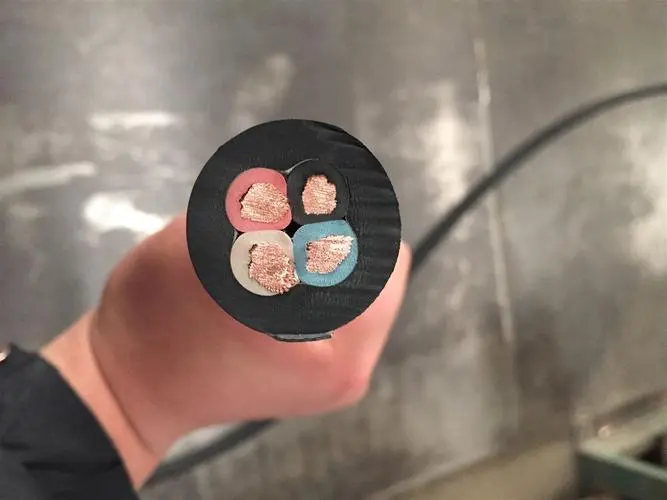 4. Cable Material: The material composition of the cable, including the conductors, insulation, and jacketing, can influence its thermal properties. Copper conductors, for example, have higher thermal conductivity than aluminum conductors, making them better suited for high-temperature applications. Conclusion In conclusion, understanding the thermal properties of PV cables is essential for ensuring the reliable and efficient operation of solar energy systems. By considering factors such as thermal conductivity, thermal resistance, thermal expansion, and temperature ratings, designers and installers can select cables that can withstand the heat generated during operation while maintaining safe operating temperatures. Optimizing the thermal properties of PV cables can help maximize the performance and longevity of the entire PV system, ultimately leading to increased energy production and reduced maintenance costs. As the demand for renewable energy continues to grow, it is crucial to prioritize the thermal properties of PV cables to build sustainable and reliable solar energy systems for the future.